Integrating Round Sound Equalizer Scales into Professional Digital Workflows
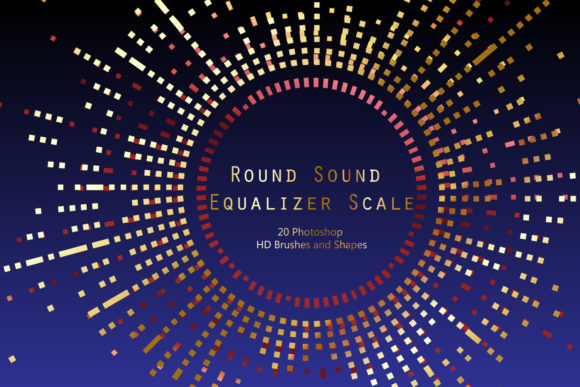
In the realm of digital design, the difference between a flat composition and a dynamic piece of art often lies in the details. For professionals ranging from graphic designers and marketers to music producers creating visual assets, incorporating elements that convey rhythm and energy is essential. Round Sound Equalizer Scales offer a specialized solution for this need, providing a set of vector shapes and high-definition brushes designed to infuse artworks with whimsical yet precise digital details. This resource is not merely a collection of images; it is a functional toolkit designed to streamline the creative process, ensuring consistency and quality across various projects.
Understanding where these assets fit into a broader workflow requires looking at the lifecycle of a typical design project. Whether you are developing album artwork, designing promotional materials for an event, or adding texture to a digital illustration, the integration of equalizer elements can occur at multiple stages. The versatility of this package allows it to serve as a foundational element during the conceptual phase, a detailing tool during execution, or a polishing asset in the final review stage.
The Strategic Value of Vector and Brush Integration
The core strength of the Round Sound Equalizer Scales package lies in its dual format delivery: vector shapes and raster brushes. This duality addresses a common pain point in digital workflows—the trade-off between scalability and texture. Vector files, specifically the included EPS 10 and AI Illustrator 10 files, allow creators to resize elements infinitely without any loss of quality. This is critical for entrepreneurs and small business owners who may need to adapt a single design asset for everything from a social media post to a large-format billboard.
Conversely, the high-definition brushes (provided in the .ABR file) offer a more organic, hand-painted feel that vectors sometimes lack. With a size of approximately 2000 pixels, these brushes provide significant resolution, enabling artists to add intricate details to high-resolution canvases. When used in Photoshop, these brushes interact seamlessly with layer modes, allowing for complex blending effects that can mimic light, glow, or motion. This interaction is vital for creators aiming to achieve a specific mood, such as the energetic vibe required for electronic music branding or the whimsical touch needed for modern digital illustrations.
Pre-Production Planning and Asset Organization
Effective implementation begins before the first pixel is placed. For productivity-minded users and freelancers, organizing assets is a crucial step in maintaining efficiency. Upon downloading the 18.2 MB ZIP archive, the immediate task is to catalog the contents for easy access during future projects. The package includes a comprehensive suite of files:
- One Photoshop file (.CSH) containing the round sound equalizer shapes.
- One Photoshop brush file (.ABR) with high-definition tips.
- One layered Photoshop PSD file for immediate customization.
- One large transparent PNG file for drag-and-drop usage.
- One high-quality JPG file for quick previews or non-layered use.
- One vector EPS 10 file for cross-platform compatibility.
- One vector AI Illustrator 10 file for native Adobe Illustrator editing.
Integrating these files into your system's library ensures that they are available whenever a project demands rhythmic visual elements. For agencies managing multiple clients, having these pre-vetted, high-quality assets ready to deploy reduces the time spent searching for stock elements or creating custom shapes from scratch. This preparation phase directly impacts the speed of execution, allowing teams to focus on creative direction rather than technical setup.
Execution: Applying Equalizer Scales in Real-Time Projects
During the active design phase, the Round Sound Equalizer Scales can be utilized in several distinct ways depending on the project requirements. For a music producer releasing a new track, the layered PSD file serves as an excellent starting point. Designers can isolate specific frequency bands or bars, recolor them to match the artist's brand palette, and arrange them to visualize the song's tempo. Because the file is layered, adjusting the opacity or blending mode of individual elements is straightforward, facilitating rapid iteration.
For educators and bloggers creating content about audio technology or music theory, the vector shapes offer a clean, professional look for diagrams and infographics. Since vectors maintain crisp edges at any zoom level, they ensure that educational materials remain legible and professional whether viewed on a mobile device or a desktop monitor. The ability to change the sign with any size and color without quality loss is particularly beneficial here, as it allows for consistent branding across different types of media.
When working on whimsical digital art, the .ABR brush file becomes the primary tool. Artists can paint directly onto the canvas, using pressure sensitivity (if available) to vary the intensity of the equalizer strokes. This method creates a more fluid, organic integration of the technical shape into the artistic composition. It bridges the gap between rigid geometric forms and freehand expression, a technique often employed by hobbyists and professional illustrators alike to add depth and movement to static images.
Compatibility and Technical Considerations
A smooth workflow relies heavily on software compatibility. This package is designed to be compatible with Photoshop CS3 and above, covering a wide range of user bases from those with older legacy systems to professionals using the latest Creative Cloud subscriptions. This broad compatibility ensures that freelancers and small business owners do not face barriers to entry based on their software version.
However, users must remain mindful of the differences between raster and vector workflows. While the PNG and JPG files offer immediate usability, they are resolution-dependent. For long-term use and maximum flexibility, relying on the .CSH, .EPS, and .AI files is recommended. These formats allow for non-destructive editing, meaning changes can be made months or years later without degrading the image quality. This factor is crucial for quality control, especially when clients request revisions to existing campaigns or when repurposing old assets for new markets.
Post-Production and Quality Control
Once the design elements are in place, the focus shifts to refinement. The transparency of the PNG file and the layer structure of the PSD facilitate easy compositing. Designers can apply global adjustments, such as color grading or noise reduction, knowing that the equalizer elements will respond predictably. For marketers, this means ensuring that the visual assets align perfectly with the overall campaign aesthetic.
Quality control also involves checking how these elements render across different platforms. A design that looks vibrant on a retina display might appear differently on a standard web banner. The high resolution of the source files (around 2000 px for brushes) provides a safety margin, allowing for downscaling without introducing artifacts. This ensures that the final output remains sharp and professional, regardless of the delivery medium.
Long-Term Utility and Workflow Optimization
The true value of the Round Sound Equalizer Scales package emerges over time. As creators build a portfolio of work, having a reliable set of assets that can be consistently reused and modified builds a cohesive visual identity. For publishers and content creators, this consistency helps in establishing brand recognition. The whimsical nature of the round scales adds a unique signature to artworks, distinguishing them from generic rectangular equalizer graphics commonly found in stock libraries.
Furthermore, the inclusion of both Photoshop and Illustrator files supports a hybrid workflow. A designer might start a concept in Illustrator to leverage the precision of vector tools, then move to Photoshop to add texture and atmospheric effects using the provided brushes. This seamless transition between applications maximizes the strengths of each program, resulting in higher-quality outcomes and a more efficient production pipeline.
In conclusion, integrating Round Sound Equalizer Scales into your digital toolkit is a strategic move for enhancing visual storytelling. By understanding the specific roles of the vector shapes, brushes, and layered files, professionals can optimize their workflows from planning to final export. Whether the goal is to create stunning album covers, engaging educational graphics, or whimsical digital art, this resource provides the flexibility and quality necessary to meet diverse creative demands. The ease of customization, combined with robust file compatibility, ensures that these assets remain relevant and useful throughout the lifecycle of your projects.