Integrating the Abstract Vector Art Brush Collection into Professional Design Workflows
In the fast-paced environment of modern digital design, efficiency is not just a preference; it is a necessity. Whether you are a freelance graphic designer managing tight deadlines, a small business owner creating your own marketing materials, or an educator developing visual aids, the tools you choose directly impact the quality and speed of your output. The Abstract Vector Art Brush Collection represents more than just a set of decorative elements; it is a strategic asset designed to streamline the creative process across various stages of project development. By understanding how to effectively integrate these resources into your existing workflow, you can elevate the visual consistency of your brand while significantly reducing production time.
Understanding the Asset and Its Role in Your Process
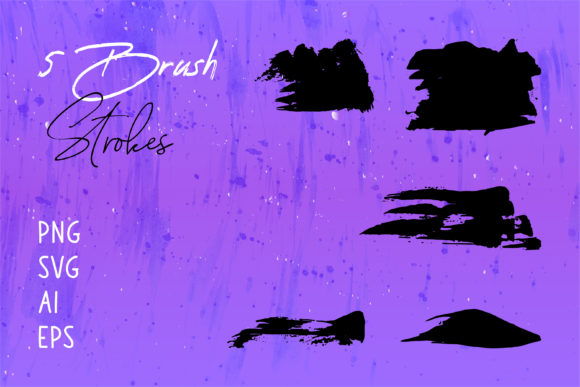
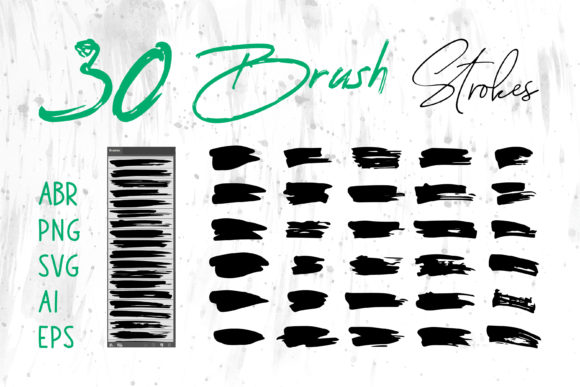
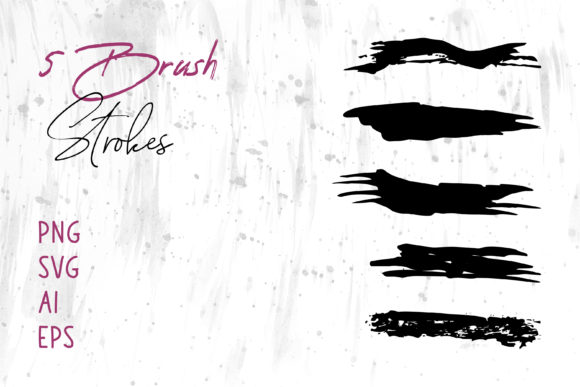
At its core, this collection provides a versatile library of abstract brush strokes available in multiple file formats, including PNG, SVG, AI, and EPS. The inclusion of the specific file Brush Strokes.ai alongside standard vector formats ensures compatibility with industry-standard software like Adobe Illustrator, while the raster PNGs offer immediate usability in Adobe Photoshop or even office suites like MS Word and MS PowerPoint. This multi-format approach addresses a common bottleneck in design workflows: the need to convert assets or recreate effects manually.
Rather than viewing these brushes as mere afterthoughts to be added at the end of a project, consider them foundational elements that can shape the direction of your creative strategy from the outset. In the planning phase of a branding project or a marketing campaign, selecting a specific style of abstract stroke can define the mood and tone before a single layout is drafted. This proactive integration allows for a more cohesive visual language, ensuring that the final deliverables—from business cards to social media banners—speak with a unified voice.
Strategic Implementation Across Different Project Phases
The utility of the Abstract Vector Art Brush Collection extends across the entire lifecycle of a creative endeavor. Understanding where these assets fit best can help you optimize your workflow for maximum efficiency.
Pre-Production and Conceptualization
Before diving into detailed execution, these brushes serve as excellent tools for mood boarding and concept exploration. When pitching an idea to a client or outlining a personal project, dragging and dropping high-quality vector strokes onto a canvas can instantly communicate texture, movement, and energy. Because the files are vector-based (AI, EPS, SVG), they can be scaled infinitely without loss of quality, allowing you to experiment with massive background elements or subtle foreground accents during the brainstorming phase. This flexibility encourages rapid iteration, enabling you to test multiple visual directions without committing hours to custom illustration.
Execution and Design Development
During the active design phase, the collection becomes a workhorse for adding depth and character to flat layouts. For logo designers, these abstract strokes can be combined, masked, or modified within Adobe Illustrator to create unique marks that feel organic yet precise. The ability to edit anchor points in the AI and EPS files means you are not limited to the preset shapes; you can manipulate the strokes to fit specific contours or align with grid systems. Similarly, web designers can utilize the SVG formats to add lightweight, scalable graphical interest to website headers or section dividers, ensuring fast load times while maintaining crisp visuals on high-resolution displays.
Final Polish and Adaptation
In the final stages, consistency is key. The collection allows for quick adaptation of assets across different mediums. If you have designed a book cover using specific brush textures, you can easily extract those same elements to create matching social media banners or email headers. The availability of PNG files with transparent backgrounds simplifies this cross-platform application, particularly for users working in MS PowerPoint or Canva who may not have access to advanced vector editing tools. This ensures that your brand identity remains consistent whether the audience is viewing a printed packaging label or a digital advertisement.
Compatibility and Software Integration
A major advantage of this collection is its broad compatibility, which supports a diverse range of professional and semi-professional environments. The workflow implications vary slightly depending on the software ecosystem you operate within:
- Adobe Illustrator: Import the Brush Strokes.ai or EPS files directly to access fully editable vector paths. This is ideal for logo creation, packaging design, and print collateral where color separation and scalability are critical.
- Adobe Photoshop: Use the PNG files for layer-based compositing. The transparency allows for seamless blending modes, making it easy to overlay textures on photographs or complex backgrounds for T-shirt designs and digital scrapbooks.
- Office Suites (MS Word/PowerPoint): The PNG format is particularly valuable here. You can insert these graphics directly into presentations or documents to break up text-heavy slides or add professional flair to reports without needing external design software.
- Web and UI Tools: The SVG format is essential for modern web development. It ensures that abstract elements remain sharp on any device, from mobile phones to 4K monitors, while keeping file sizes minimal for optimal performance.
By having all these formats in a single package, you eliminate the friction of searching for alternative assets when switching between tasks. This interoperability supports a fluid workflow where a designer can move from a vector illustration in Illustrator to a photo manipulation in Photoshop, and finally to a presentation in PowerPoint, all while maintaining visual continuity.
Practical Tips for Organization and Quality Control
To truly benefit from the Abstract Vector Art Brush Collection, organization is paramount. A disorganized asset library can lead to wasted time searching for the right stroke during a critical deadline. Consider implementing a structured folder system on your local drive or cloud storage. Separate files by format (Vector vs. Raster) and perhaps by style or color variation if the collection is extensive. Naming conventions should be clear and descriptive, allowing you to locate specific assets via search functions quickly.
Quality control is another essential factor. While vector files offer infinite scalability, it is important to review the complexity of the paths, especially if you are preparing files for large-format printing or cutting machines for craft projects. Simplify paths where necessary to ensure smooth output. Additionally, when using these brushes for commercial projects like logos or product packaging, always verify the licensing terms to ensure compliance with your intended use case. Customizing the colors and shapes of the vectors not only helps in avoiding a "stock" look but also ensures the final product aligns perfectly with your specific brand guidelines.
Maximizing Long-Term Value
The true value of this collection lies in its reusability. Unlike a custom illustration that might be tied to a single campaign, abstract brush strokes are timeless elements that can be repurposed indefinitely. A stroke used in a holiday card design today can be recolored and resized for a corporate report next quarter. This longevity makes the investment in a high-quality collection highly cost-effective over time. For entrepreneurs and small business owners, this means building a proprietary visual library that grows with your business, reducing the need for constant new purchases.
Furthermore, these assets support learning and skill development. For hobbyists and students, deconstructing the vector paths in the AI files can serve as an educational tool to understand how professional curves and strokes are constructed. Analyzing the balance and flow of these abstract forms can improve one's own drawing and design capabilities, fostering a deeper understanding of composition and visual rhythm.
Conclusion
Integrating the Abstract Vector Art Brush Collection into your workflow is a practical step toward enhancing both the quality and efficiency of your creative output. By leveraging the versatility of formats like PNG, SVG, AI, and EPS, you can seamlessly navigate between different software environments and project types. Whether you are crafting a logo, designing a website, or assembling a presentation, these tools provide the flexibility needed to execute your vision with precision. With proper organization and a strategic approach to their application, this collection becomes an indispensable part of your professional toolkit, supporting your goals from the initial concept to the final delivery.